For most of history, buttons weren’t for doing things up. They were for showing off.
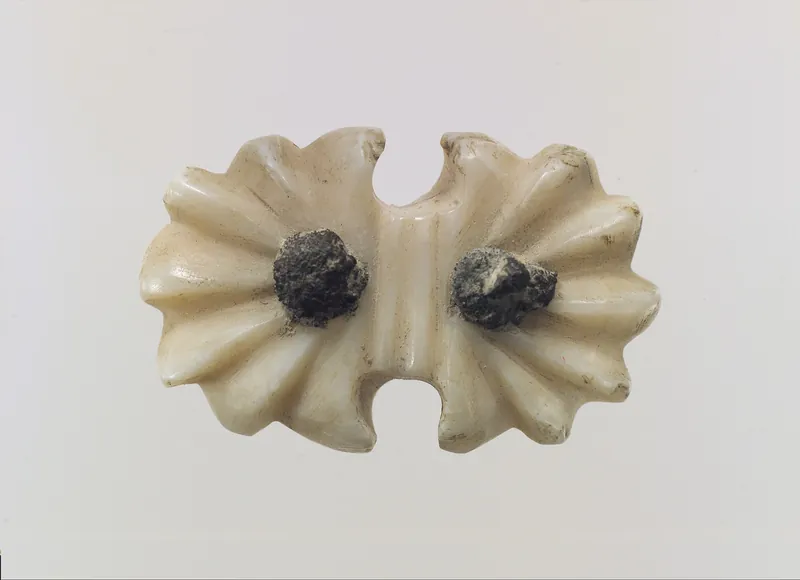
The oldest button?
The earliest object that may have been a button is a perforated shell disc from a burial at Mehrgarh, in the Indus Valley in present-day Pakistan, dated to about 7000 BC. It has a hole, so it could have been sewn onto clothing, but it might just as well have been a pendant. Similar finds come from other Indus Valley sites of 2800–2600 BC. AramcoWorld
Even the experts are careful. “We always think it’s the first until we find something else that’s earlier,” says the archaeologist J. Mark Kenoyer, “so I never like to use that term.” AramcoWorld
Knots, loops and cloth
In China, the earliest recorded button dates to about 1000 BC: a knot-and-loop button made entirely of fabric. The same kind still closes the qipao today. AramcoWorld In Egypt, the textile historian Gillian Vogelsang-Eastwood says thread buttons with fabric loops appear around 1400 BC, but separate buttons sewn on to clothes don’t show up until the 1300s and 1400s AD. AramcoWorld
Enter the buttonhole
In medieval Europe clothes were laced, pinned or clasped until the buttonhole arrived in the 13th century. Buttons then became so popular that some places passed laws limiting their use. By the 14th century they ran from elbow to wrist and from neckline to waist, and gold, silver and ivory buttons showed off wealth and rank. Britannica
A Paris document from 1292 mentions permits for a button maker. AramcoWorld Buttons were so valuable that they were usually cut off one garment and sewn on to the next. “The idea that buttons are nothing is a 20th-century concept with the onset of plastic,” says Vogelsang-Eastwood. AramcoWorld
Kings of bling
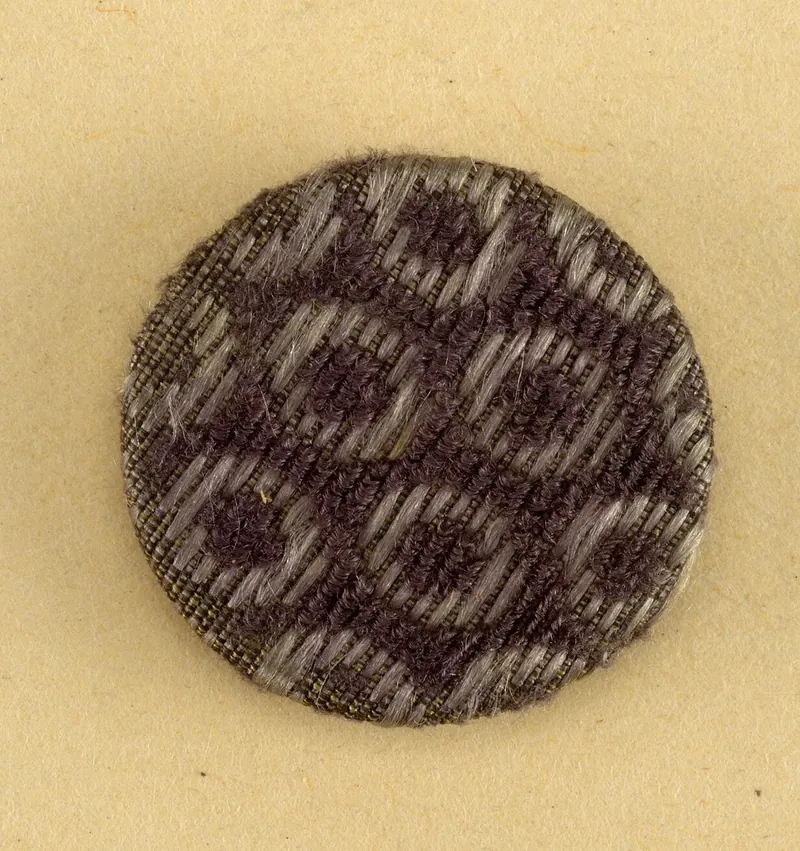
King Francis I of France had 13,600 gold buttons on a single coat. Louis XIV spent the equivalent of $600,000 on jewelled buttons, including a diamond-studded set valued at $120,000. Britannica
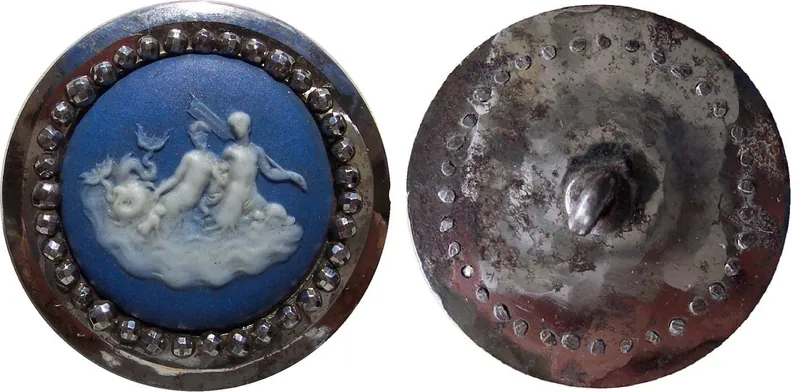
In the 18th century Matthew Boulton, James Watt’s business partner, made glittering, expensive cut-steel buttons by fixing polished steel facets to a steel base. Britannica
And some who said no
Not everyone joined in. Some strict Mennonite communities forbid buttons as a worldly display and use only hooks and eyes. Britannica